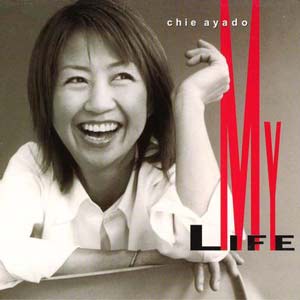
Chie Ayado – Life (1999, 24/96) – EWE Records
Chie Ayado’s Life is a compact example of the qualities that made her early EWE recordings attractive to serious listeners: a forceful yet intimate voice, expressive piano playing and arrangements built around musical interaction. The 1999 24/96 presentation provides plenty of resolution for following small changes in dynamics and instrumental texture, but the album’s real strength remains its human immediacy.

Sound Quality
Ayado’s voice should have weight, grain and clear diction, while piano should show both the sharpness of the initial attack and the resonance that follows. Bass and drums need to remain tight enough to support the groove without covering the vocal. The recording rewards neutral midrange reproduction; too much warmth can make the piano and voice congested, while excessive treble can make Ayado’s stronger phrases sound harder than intended.
Audiophile Listening Experience
Listen first to the interaction between Ayado’s voice and piano. The performance should feel conversational, with changes in intensity preserved rather than flattened. When the rhythm section becomes more active, the soundstage should expand naturally while the vocal remains stable. The 24/96 format is particularly useful for hearing low-level decay after piano chords and the subtle room information around the ensemble.
Reference Tracks
The most intimate vocal-and-piano passages are ideal for midrange purity and microdynamics. Fuller tracks test bass timing, drum attack and separation, while quieter songs expose the natural decay of the recording space. Listen for the moments where Ayado moves from restrained phrasing into a stronger vocal peak; these are excellent checks of dynamic realism.
Audiophile Verdict
Life is a musically direct Chie Ayado recording with strong audiophile value in its dynamics and vocal texture. The 24/96 format gives the performance enough resolution to reward a revealing system, but the best result is not clinical detail. It is the feeling that the singer and musicians are communicating in the same room.
Ayado’s performances benefit from a system that respects dynamic contrast. Her voice and piano can sound intimate one moment and physically powerful the next. Compression, excessive warmth or aggressive treble can reduce that contrast. With neutral playback, the listener can hear the small timing relationships between voice, piano, bass and drums that are central to the vitality of these recordings.
Chie Ayado’s Life is a compact example of the qualities that made her early EWE recordings attractive to serious listeners: a forceful yet intimate voice, expressive piano playing and arrangements built around musical interaction. The 1999 24/96 presentation provides plenty of resolution for following small changes in dynamics and instrumental texture, but the album’s real strength remains its human immediacy.