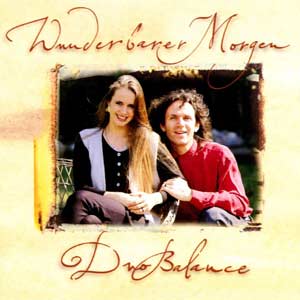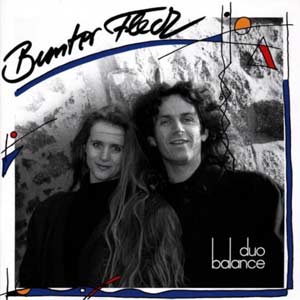
Louis Capart & Duo Balance – Voyage – D'une Ile A L'autre SACD-ISO
Voyage – D’une Île à L’autre brings Louis Capart together with Duo Balance in a multilingual program using several voices, guitars, harp, accordion and flute. Its value becomes clearest when the system is transparent enough to preserve small changes in tone, distance and dynamics without exaggerating them.
TRACK LIST

- LabelStockfisch Records - SFR 357.4043.2
- CountryGermany
- Release date2008
- GenrePop
- FormatSACD-ISO 2ch; Flac 16bit/44.1kHz
Sound Quality
Vocal layering, harp transients, accordion reeds, flute breath and bass support. These qualities are most revealing when the system keeps the tonal balance natural and the stereo image stable, allowing the character of the recording to remain intact. A convincing presentation should sound open and controlled, with no part of the spectrum calling attention to itself unnecessarily.
A revealing playback chain should preserve both the leading edge of a note and its natural tail. That combination is often more informative than simply increasing perceived detail or treble energy.
Audiophile Listening Experience
For focused listening, concentrate on solo-to-ensemble transitions and the expansion of the vocal image. Listen first at a comfortable level, then revisit the same passage when changing volume or system settings. The useful clues are not only obvious detail but also image size, decay, dynamic shading and the continuity of the acoustic around the performers. Small changes in speaker position or playback level can therefore become surprisingly easy to hear.
When comparing components, keep the listening level matched as closely as possible. A louder presentation can appear more detailed, so consistent volume is essential when judging changes in tone, dynamics or image size.
Reference Tracks
“Flügel,” “Ma solitude,” “Education sentimentale,” “Sous le ciel de Paris” and “Summertime” provide strong contrasts. Pay attention to vocal focus, instrumental texture, bass definition, transient attack and the amount of natural space surrounding the performers. The most useful passage is the one that makes a system change audible without making the music feel like a test signal.
A good reference sequence should move from simple to complex material. Start with one or two exposed performers, then add rhythm, bass or larger ensembles and see whether the original image remains coherent.
Audiophile Verdict
A rewarding reference for vocal layering and acoustic realism. Its usefulness ultimately comes from the fact that the recording remains enjoyable after the test is over.
Its strongest contribution is repeatability. Once the listener knows the recording, small changes in image focus, tonal balance or dynamic behavior become much easier to recognize.
For repeated system checks, its familiar passages can become dependable markers of tonal and spatial changes.