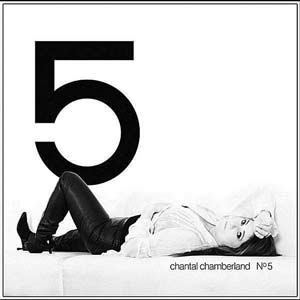
Chantal Chamberland – The Other Woman (2011) – Evosound
The Other Woman finds Chantal Chamberland working within a mature vocal-jazz aesthetic, combining familiar material with arrangements that emphasize mood, phrasing and intimacy. The 2011 Evosound release is less about technical fireworks than creating a believable late-night listening environment. That makes it especially useful for audiophiles who want to hear how a system handles voice, acoustic instruments and ambience together.

Sound Quality
Chamberland’s vocal should have weight through the lower midrange while remaining articulate at the top. The recording favors a smooth presentation, but good playback should still reveal the attack of piano, the texture of bass and the delicate edges of cymbals. The rhythm section needs to remain tight without becoming overly dry. A well-balanced system will preserve the difference between close-miked vocal intimacy and the more distant acoustic cues surrounding the ensemble.
Audiophile Listening Experience
The strongest moments come when the soundstage feels compact and believable. Chamberland should be easy to locate, yet the band should not collapse into a single layer behind her. Listen for depth created by level and reverberation rather than extreme stereo width. Quiet endings are particularly revealing: the decay of the room should fade naturally, and the vocal should retain its body until the final syllable.
Reference Tracks
Use the title track to evaluate vocal placement and the relationship between singer and accompaniment. Ballads are valuable for checking low-level detail, while rhythmically stronger numbers test bass articulation and transient control. Piano and percussion passages can reveal whether your system preserves natural attack without turning the polished production into something clinical.
Audiophile Verdict
The Other Woman is a refined vocal-jazz listen whose audiophile appeal lies in balance. Chamberland’s voice, the rhythm section and the surrounding ambience should coexist rather than compete. It is a useful record for judging tonal warmth, center imaging and the ability to create an intimate musical space.
Chamberland’s recordings are most convincing when the system preserves their relaxed scale. The voice should have enough physical density to feel present, but the surrounding musicians must remain audible as individual performers. This balance is easy to lose with excessive warmth or treble. When it is right, the music has the comfortable sense of a singer performing only a few feet away.
The Other Woman finds Chantal Chamberland working within a mature vocal-jazz aesthetic, combining familiar material with arrangements that emphasize mood, phrasing and intimacy. The 2011 Evosound release is less about technical fireworks than creating a believable late-night listening environment. That makes it especially useful for audiophiles who want to hear how a system handles voice, acoustic instruments and ambience together.