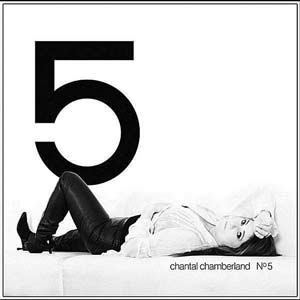
Chantal Chamberland – This is Our Time (2012) – Evosound
This Is Our Time presents Chantal Chamberland in a polished collection that moves comfortably between jazz, pop and classic songbook material. The album’s programming gives the singer room to work with both intimate ballads and more rhythmic interpretations. Its audiophile value comes from the clarity of the vocal production and the way familiar songs are framed by a controlled, spacious accompaniment rather than dense studio layering.

Sound Quality
The recording places strong emphasis on the vocal midrange, but the surrounding instruments retain enough detail to create a believable ensemble. The bass should have clear pitch, the piano should show hammer attack and decay, and percussion should add air without becoming brittle. Chamberland’s naturally smoky tone can become too dark on a warm system, so accurate upper-midrange reproduction matters. The best presentation combines smoothness with enough transient definition to keep the arrangements lively.
Audiophile Listening Experience
This Is Our Time is effective for evaluating the difference between vocal intimacy and overall soundstage depth. The singer should remain centered and solid, while the rhythm section extends behind her in layers. Listen to transitions between sparse and fuller arrangements; a good system should expand naturally without changing tonal character. The album also rewards headphone listening, where small reverberation cues and backing-vocal placement become easier to follow.
Reference Tracks
This Is Our Time is a useful reference for vocal body and articulation. Don’t Explain tests phrasing and low-level intimacy, Why Don’t You Do Right? brings rhythmic weight, and La vie en rose offers a more delicate check of upper-midrange smoothness. Fever is especially useful for judging bass, vocal texture and the way the system handles a familiar jazz-club atmosphere.
Audiophile Verdict
This Is Our Time is an inviting audiophile recording because it balances polish with human warmth. It does not need extreme dynamics to demonstrate a good system. Instead, it rewards accurate vocal tone, stable imaging and the ability to keep a small ensemble coherent while preserving the atmosphere around it.
Chamberland’s recordings are most convincing when the system preserves their relaxed scale. The voice should have enough physical density to feel present, but the surrounding musicians must remain audible as individual performers. This balance is easy to lose with excessive warmth or treble. When it is right, the music has the comfortable sense of a singer performing only a few feet away.
This Is Our Time presents Chantal Chamberland in a polished collection that moves comfortably between jazz, pop and classic songbook material. The album’s programming gives the singer room to work with both intimate ballads and more rhythmic interpretations. Its audiophile value comes from the clarity of the vocal production and the way familiar songs are framed by a controlled, spacious accompaniment rather than dense studio layering.