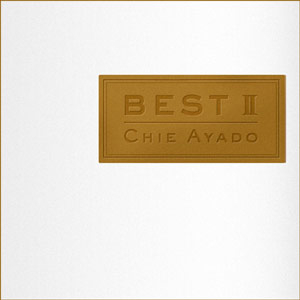
Chie Ayado – Best (2002) – EWE Records
Chie Ayado’s Best is a 2002 collection representing the distinctive vocal and piano-centered approach that made her an important Japanese jazz vocalist. Her catalogue frequently moves between self-accompanied performances, small jazz groups and gospel-influenced arrangements, and this compilation reflects that range. For audiophiles, the main attraction is the immediacy of Ayado’s voice and the rhythmic personality of her piano playing.

Sound Quality
Ayado’s vocal has strong physical presence and expressive grain, while piano can carry substantial transient energy. A good system should preserve the attack of the keys without making them hard, and the voice should retain body through the midrange. When ensemble tracks appear, bass and drums need to remain clearly separated. The best presentation has a lively, intimate quality rather than the glossy softness of some studio vocal-jazz productions.
Audiophile Listening Experience
Best is particularly useful for judging dynamic expression. Ayado can move quickly from a conversational phrase to a powerful vocal peak, so compression or overly soft playback can remove much of the character. Listen to the interaction between voice and piano, then examine how the stage expands when additional musicians enter. A neutral system should preserve both the attack and decay of the performance.
Reference Tracks
Choose piano-and-vocal performances for transient attack and vocal realism, then compare them with ensemble tracks for bass and drum separation. Gospel-influenced material can test dynamic scale, while ballads reveal the texture of Ayado’s voice and the natural decay of the piano. The most useful references are those that shift quickly between quiet and forceful passages.
Audiophile Verdict
Best is a lively Chie Ayado reference that demonstrates why her recordings appeal to listeners who value musical immediacy. Its strengths are vocal presence, piano dynamics and rhythmic energy. A transparent system should make those qualities feel physical without turning the upper midrange aggressive.
Fygi’s appeal depends on elegance rather than force, so system matching matters. Excessive brightness makes her phrasing sound harder, while too much warmth can obscure diction and instrumental color. The most convincing playback keeps the vocal smooth, the bass articulate and the acoustic space believable. That combination lets the arrangements feel sophisticated without becoming detached from the human performance.
Chie Ayado’s Best is a 2002 collection representing the distinctive vocal and piano-centered approach that made her an important Japanese jazz vocalist. Her catalogue frequently moves between self-accompanied performances, small jazz groups and gospel-influenced arrangements, and this compilation reflects that range. For audiophiles, the main attraction is the immediacy of Ayado’s voice and the rhythmic personality of her piano playing.