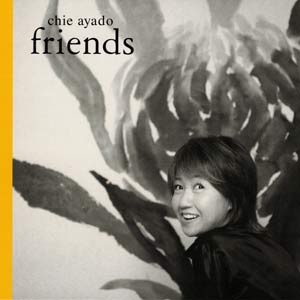
Chie Ayado – LOVE (2000, 24/96) – EWE Records
Chie Ayado – LOVE (2000, 24/96) is interesting because its strengths are easy to hear without turning the session into a technical exercise. Chie Ayado works within vocal jazz, where tone, timing and space matter greatly. A balanced system should reveal solo voice and piano naturally, without needing exaggerated brightness or bass.

Sound Quality
From a sonic perspective, the direct relationship between Ayado’s voice and piano, vocal texture, transient attack and the natural decay around the performance are the main things to examine. The best moments come when individual textures remain distinct without sounding detached from the ensemble. Midrange naturalness is important because voices and acoustic instruments carry much of the musical information. Bass should provide foundation, while the upper register remains articulate without becoming sharp. Done well, the recording gains depth and presence without losing warmth.
Audiophile Listening Experience
Listen first for musical flow, then for individual audiophile traits. the direct relationship between Ayado’s voice and piano, vocal texture, transient attack and the natural decay around the performance. Pay attention to the spaces between notes, where timing, ambience and microdynamics often become obvious. A capable system should let the recording breathe, with quiet passages remaining alive and energetic sections retaining shape. When the system gets this right, the album develops convincing physical scale even when the ensemble is modest.
Reference Tracks
A useful sequence is “L-O-V-E,” “Blue Skies,” and the quieter ballad selections. These selections combine different levels of density, dynamics and acoustic information. Listen for the point at which the performance stops sounding like isolated hi-fi effects and becomes one coherent space. Vocals should remain intelligible, rhythm instruments grounded, and reverberation should extend naturally instead of forming a bright halo around the performers.
Audiophile Verdict
The lasting appeal of Chie Ayado – LOVE (2000, 24/96) comes from the connection between musical expression and recording quality. It can expose weaknesses in imaging, tonal balance or dynamics through real performances rather than artificial test tones. Repeated listening therefore remains useful. A well-matched system should leave you hearing more of the musicians and less of the equipment. That makes the disc valuable long after the first critical listening session.