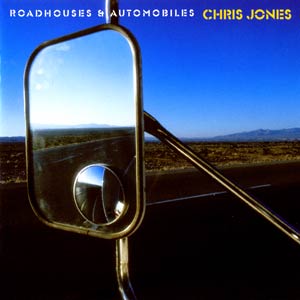
Chris Jones & Steve Baker – Smoke And Noise 2003
Smoke And Noise develops the Chris Jones and Steve Baker partnership into a richer roots arrangement while keeping guitar, harmonica and voice identifiable. The recording is most rewarding when approached as music first and as a reference second, because the sonic information is tied closely to the performance.
TRACK LIST

- LabelAcoustic Music Records - 319.1303.242
- CountryGermany
- Release date2003
- GenreBlues
- FormatFlac 16bit/44.1kHz
Sound Quality
Overlapping textures, guitar transients, harmonica density, vocal grain and bass foundation. These qualities are most revealing when the system keeps the tonal balance natural and the stereo image stable, allowing the character of the recording to remain intact. What matters most is coherence; individual details should add up to one believable acoustic event.
The recording should retain its own tonal character. If every instrument begins to sound equally bright, equally warm or equally close, the playback system is probably contributing too much of its own signature.
Audiophile Listening Experience
For focused listening, concentrate on rhythmic cohesion when several instruments enter together. Listen first at a comfortable level, then revisit the same passage when changing volume or system settings. The useful clues are not only obvious detail but also image size, decay, dynamic shading and the continuity of the acoustic around the performers. The best result is a presentation that remains engaging after the technical differences have been identified.
Speaker placement matters as much as electronics with this material. Small changes in toe-in and listening distance can alter center focus, bass balance and the apparent depth of the recording.
Reference Tracks
Use the title track and acoustic numbers for guitar, harmonica and vocal focus, then fuller tracks for bass and separation. Pay attention to vocal focus, instrumental texture, bass definition, transient attack and the amount of natural space surrounding the performers. These contrasts also help prevent one recording characteristic from being mistaken for a property of the playback system.
Do not judge a reference track by bass depth or treble sparkle alone. Vocal focus, instrumental size, decay and the silence between events often reveal more about the accuracy of the whole system.
Audiophile Verdict
A useful bridge between intimate acoustic reference material and denser roots production. That balance between musical pleasure and useful sonic information is what gives the release lasting value.
The release also demonstrates an important audiophile principle: technical transparency has value when it brings the listener closer to the performance rather than simply making the recording sound more impressive.
The recording rewards patience, because its most useful information often appears in texture, decay and relationships between instruments.