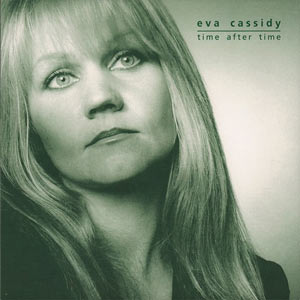
Eva Cassidy – Imagine (2002, 2014, 32/192) – Blix Street
Imagine presents Eva Cassidy in a particularly varied set of performances, moving from pop standards and folk songs to blues and jazz-inflected material. Released posthumously in 2002, it was assembled from previously unreleased recordings, yet it feels remarkably coherent because Cassidy’s voice gives every performance the same unmistakable center. The album is less about production uniformity than about hearing how one singer reshapes very different songs through timing, tone and emotional restraint.
TRACK LIST

- LabelBlix Street
- CountryEurope
- Release date2002/2014 (reissue)
- GenreJazz, Folk
- FormatFlac 32bit/192kHz
Sound Quality
The sonic character is intimate and vocal-forward, with enough instrumental information to keep the arrangements believable without competing for attention. Cassidy’s voice has excellent midrange articulation, and the recording captures subtle changes in breath pressure and vowel shape. On Fever, the sparse arrangement leaves plenty of space around the vocal, while Imagine and Who Knows Where the Time Goes? allow the system to show depth and tonal color. High-resolution playback can reveal the fine texture of acoustic instruments and the decay around individual notes without turning the album into a forensic listening exercise.
Audiophile Listening Experience
The strongest listening experience comes from keeping the volume realistic and allowing the quieter material to breathe. A transparent system should place Cassidy securely between the speakers while preserving the acoustic clues behind her. Listen to the contrast between a dry, intimate vocal phrase and a more spacious accompaniment. Imaging should remain stable when the arrangements become denser, and the bass should provide foundation rather than warmth for its own sake. The album is especially revealing of systems that make female vocals too forward or too glossy.
Reference Tracks
Fever is excellent for judging vocal intimacy, bass weight and the control of a sparse arrangement. Imagine exposes tonal smoothness and the ability to preserve the emotional center of the performance. Who Knows Where the Time Goes? is valuable for acoustic texture and space, while Tennessee Waltz highlights Cassidy’s ability to let a simple melody carry the performance without excessive production.
Audiophile Verdict
Imagine remains one of Cassidy’s most rewarding posthumous collections because the variety never overwhelms the singer. For audiophiles, its value lies in natural vocal presence, restrained dynamics and the subtle acoustic information surrounding the performances. A good 32/192 transfer should make those qualities easier to appreciate, especially through headphones or speakers capable of preserving low-level detail.
Imagine presents Eva Cassidy in a particularly varied set of performances, moving from pop standards and folk songs to blues and jazz-inflected material. Released posthumously in 2002, it was assembled from previously unreleased recordings, yet it feels remarkably coherent because Cassidy’s voice gives every performance the same unmistakable center. The album is less about production uniformity than about hearing how one singer reshapes very different songs through timing, tone and emotional restraint.