Janis Ian – Janis Ian (1967, 2008) – Now Sounds
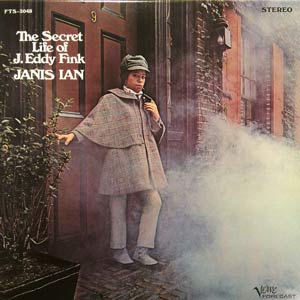
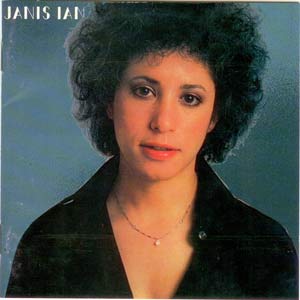
Janis Ian’s 1967 debut captures a remarkably young songwriter already working with unusually direct melodic and lyrical instincts. The 2008 Now Sounds edition presents a document from the early singer-songwriter era, when acoustic instruments and the human voice carried much of the musical weight. It is not a modern audiophile production, but its historical intimacy makes it valuable for listeners who want to hear the performer rather than a polished studio construction.
TRACK LIST

- LabelNow Sounds
- CountryUK
- Release date2008
- GenreRock, Folk
- FormatFlac 16bit/44.1kHz
Sound Quality
The recording has the limitations and character of its period, with a relatively compact presentation compared with later studio albums. Ian’s voice should remain intelligible and centered, while acoustic accompaniment retains enough texture to identify strings and percussion. Do not expect deep modern bass or enormous soundstage width; the more useful tests are midrange naturalness, vocal articulation and the absence of excessive hardness. A quiet, well-balanced system can reveal the musical grain that gives the album its period character.
Audiophile Listening Experience
This debut rewards a different audiophile mindset. Instead of asking how wide the stage is, listen for the relationship between Ian’s vocal and the small-scale accompaniment. The best playback lets the limitations of the original recording remain audible without exaggerating them. Pay attention to consonants, guitar resonance and the natural decay of notes. These details help distinguish authentic vintage character from equipment-induced coloration.
Reference Tracks
The opening material is useful for judging vocal focus and the tonal character of the early recording. Quieter singer-songwriter passages reveal the intimacy of the production, while more arranged songs can show whether your system preserves separation without forcing brightness. The most revealing moments are those where Ian’s voice sits directly against acoustic accompaniment.
Audiophile Verdict
Janis Ian is historically and musically more important than it is technically spectacular. Its audiophile value lies in truthful reproduction of a period recording: clear voice, natural acoustic texture and believable dynamics. It is a useful reminder that good listening is not always about maximum resolution; sometimes it is about preserving character.
Ian’s catalogue also makes a useful lesson in period recording. The strongest playback does not try to modernize the sound; it preserves the character of the original production while revealing its musical detail. Listen for phrasing, acoustic texture and the relationship between voice and instruments. Those qualities remain more valuable than artificially enlarged bass or a hyper-detailed top end.
Janis Ian’s 1967 debut captures a remarkably young songwriter already working with unusually direct melodic and lyrical instincts. The 2008 Now Sounds edition presents a document from the early singer-songwriter era, when acoustic instruments and the human voice carried much of the musical weight. It is not a modern audiophile production, but its historical intimacy makes it valuable for listeners who want to hear the performer rather than a polished studio construction.