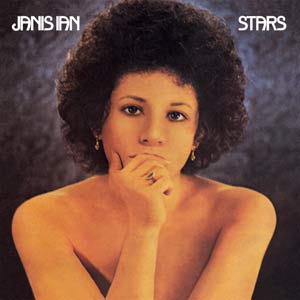
Janis Ian – Janis Ian II – (1978, 1993) – The Grapevine Label
Janis Ian II represents another stage in her late-1970s studio evolution, with a more polished production style than the earliest Columbia records. The album is useful in an audiophile library because it shows how her voice adapts to a larger studio framework while remaining the central element. The 1993 edition belongs to an earlier digital era, so listeners should approach it as a period presentation rather than assume it has the same character as modern high-resolution transfers.
TRACK LIST

- LabelThe Grapevine Label
- CountryUK
- Release date1978/1993
- GenreRock, Pop
- FormatFlac 16bit/44.1kHz
Sound Quality
The vocal remains the main reference, with keyboards, guitars and rhythm instruments providing a broader supporting field. The presentation benefits from clean midrange reproduction and controlled treble; older digital transfers can sound harder when the playback chain is already bright. Bass should be judged for pitch and timing rather than sheer depth. A neutral system should preserve the album’s studio polish while allowing the differences between acoustic and electric instrumentation to remain audible.
Audiophile Listening Experience
Listen first to Ian’s vocal image, then follow the arrangement outward. The album is useful for judging whether a system can maintain vocal clarity as the production becomes denser. Pay attention to cymbal decay and keyboard texture, which can reveal whether the digital presentation is smooth or brittle. Moderate levels are preferable because excessive volume can make a period digital transfer seem more aggressive than it actually is.
Reference Tracks
The most vocal-centered tracks are useful for judging midrange tone and center imaging. Fuller arrangements test separation and bass timing, while quieter passages expose the character of the 1993 digital presentation. Listen for natural vocal consonants rather than simply chasing high-frequency detail.
Audiophile Verdict
Janis Ian II is best appreciated as a late-1970s studio document with an early-1990s digital presentation. Its value is in vocal focus, arrangement clarity and the ability to hear how Ian’s sound evolved. A neutral system can make the most of its strengths while keeping the period mastering character in perspective.
Ian’s catalogue also makes a useful lesson in period recording. The strongest playback does not try to modernize the sound; it preserves the character of the original production while revealing its musical detail. Listen for phrasing, acoustic texture and the relationship between voice and instruments. Those qualities remain more valuable than artificially enlarged bass or a hyper-detailed top end.
Janis Ian II represents another stage in her late-1970s studio evolution, with a more polished production style than the earliest Columbia records. The album is useful in an audiophile library because it shows how her voice adapts to a larger studio framework while remaining the central element. The 1993 edition belongs to an earlier digital era, so listeners should approach it as a period presentation rather than assume it has the same character as modern high-resolution transfers.